Hurricane Season Prep: A Home Maintenance Checklist for SWFL Homeowners
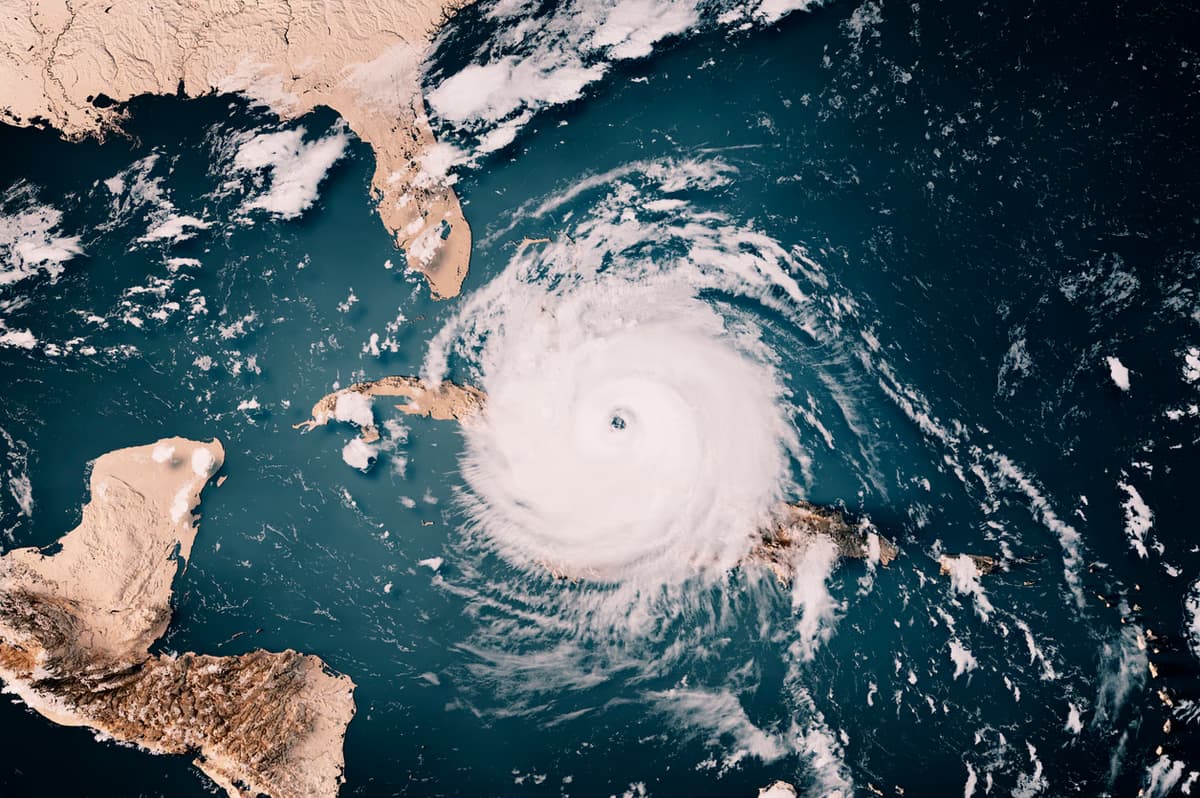
Most hurricane prep guides focus on supply kits — water, batteries, flashlights. Those matter, but they don't address the home itself. The maintenance side of storm prep is about finding the small, already-existing problems that turn into big ones under storm conditions, while there's still time to fix them.
Gutters and downspouts
Clogged gutters during a tropical storm mean water has nowhere to go but down the side of the house or, worse, into the roofline. It's worth clearing them out and confirming downspouts are actually directing water away from the foundation before the season's first heavy rain, not after.
Fence and gate hardware
A fence panel that's already loose is far more likely to come apart in high wind, and a loose or misaligned gate can slam repeatedly and damage its own hinges and frame during a storm. Both are quick, inexpensive fixes when caught ahead of time — much less so as an emergency repair afterward.
Anything that can become a projectile
Loose deck boards, unsecured shutters, patio furniture that isn't stored or strapped down, and anything else that could pick up and move in high wind is worth a walk-through before the season gets going. This is as much about protecting neighboring property (and avoiding liability) as it is about your own.
Doors, windows, and their seals
Wind-driven rain finds gaps that regular rain never reaches. Checking weatherstripping and door sweeps, and making sure windows latch fully and securely, is a small task that prevents a surprising amount of water intrusion during an actual storm.
After the storm passes
Once it's safe to be outside, a walk-through for storm debris, downed branches, and anything that shifted or came loose helps catch problems before Florida's humidity turns minor water intrusion into a mold issue. If cleanup is more than a weekend project, that's exactly the kind of job worth handing off rather than tackling alone.
Need help with this? See our Hurricane Preparedness & Cleanup or request a free estimate today.
QUICK ESTIMATEMore from the blog
Deck Maintenance Checklist for Southwest Florida's Humidity
Year-round humidity and afternoon rain put wood and composite decks through more than most manufacturers' care guides account for. Here's what actually needs regular attention.
What Does Pressure Washing Cost in Naples, FL?
Pricing depends on square footage, surface type, and how much buildup there is — here's what actually drives the cost, so you know what you're paying for.
How Often Should You Service a Ceiling Fan in a Coastal Climate?
Salt air and humidity are hard on ceiling fan motors and hardware in ways that inland installations don't have to deal with. Here's a realistic maintenance interval.